
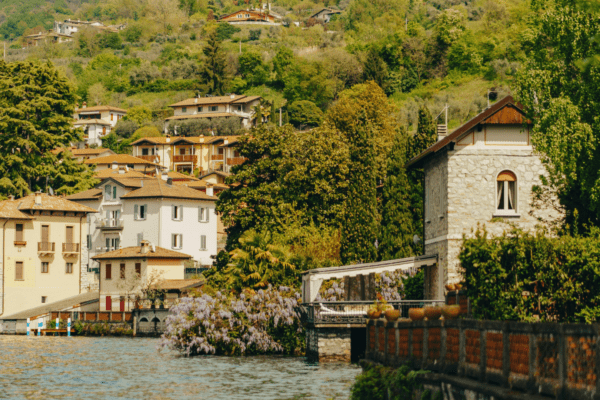
Wellness is not a trend to Italians; rather, it is a longstanding and integral part of the Italian culture and traditions. The country’s geographic and climatic diversity—Alpine regions, volcanic landscapes, islands, and a 7,900 km coastline—encourages regular outdoor activity and therapeutic use of mineral and thermal waters, which have been utilized since Roman times for therapeutic and preventive purposes.
Italians lead a very community-based lifestyle, coming together daily for meals that double as social gatherings. In fact, Italy is second only to France in time spent eating and drinking each day. In addition, many Italians live near extended family – often in the same village or even in the same house! This focus on family and friends provides a natural social network that helps mitigate loneliness and/or depression.
Blue Zone
Italy is home to one of the world’s Blue Zones, the original longevity hot spots. On the island of Sardinia, a healthy diet focused on local ingredients, physical activity integrated into daily life, a low-stress lifestyle, and strong community and family bonds contribute to higher longevity and a higher centenarian rate than in most of the rest of the world.
Of course, Italians participate in organized sports, as well. Swimming and cycling are popular, football participation is on the rise for both men and women, and winter sports such as skiing are both fairly accessible and popular with all ages.
Finally, the Italian diet – which is a Mediterranean-style eating pattern that emphasizes vegetables, whole grains, legumes, nuts & seeds, and healthy fats like extra virgin olive oil – is consistently ranked one of the healthiest diets in the world. The good news for those of us who don’t live in Italy? There are simple, replicable habits we can borrow that will enrich and enhance our diets and overall health:
- Homemade cooking: Italians cook most meals from scratch, using fresh ingredients and – importantly – avoiding highly processed foods.
- Portion control: though pasta is eaten regularly by Italians, they often serve it as a first course in moderate portions, accompanied by vegetable- or tomato-based sauces rather than heavy cream-based sauces.
- Plant-based focus: while many Italians eat meat, it is often treated as a side dish rather than the main event. Seasonal vegetables, legumes like lentils and chickpeas, and whole grains are the stars of the Italian plate.
- Midday meal: lunch is the largest meal of the day for many Italians, helping with proper digestion.
What else can we all take from the Italian traditions, so steeped in healthy living?
By Kate Marden
For more DLS, check out other blogs and visit us on Facebook, LinkedIn, Instagram, or YouTube!