
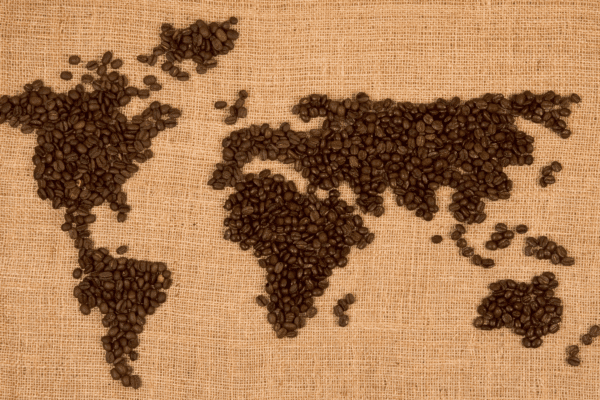
Coffee culture around the world tells you a lot about a place before you ever say a word. How people prepare it, serve it, and drink it together reflects deeply held values around hospitality, community, and time. For language learners, paying attention to these rituals is just as important as memorizing vocabulary.
Here is a look at four coffee traditions and what each one reveals about the culture behind it.
The Ethiopian Coffee Ceremony: Slowing Down Together
Ethiopia is the birthplace of coffee, and the country treats it accordingly. The traditional ceremony, called buna, can last up to two hours. A host roasts green coffee beans over charcoal, grinds them by hand, and brews them in a clay pot called a jebena. Guests drink three rounds, each with its own name: abol, tona, and baraka, meaning “blessing.”
Turning down an invitation to participate is considered impolite. The ceremony is not about the coffee itself. It is about creating space to sit, talk, and be present with one another. For anyone studying Amharic or preparing to work in Ethiopia, understanding this tradition shapes how you read concepts like hospitality and social obligation throughout the language.
Turkish Coffee: Friendship Measured in Cups
Turkey’s coffee culture was inscribed on UNESCO’s Intangible Cultural Heritage status in 2013. Cooks prepare Turkish coffee (Türk kahvesi) by simmering finely ground beans in a small copper pot called a cezve, then pour it with the grounds directly into the cup.
There is a Turkish proverb worth knowing: a single cup of coffee creates forty years of friendship. That framing says everything. Drinking coffee in Turkey is a social commitment, not a caffeine fix. Some people also read the dried grounds left in the cup after drinking, a practice called tasseography. For learners of Turkish, moments like these show how storytelling, superstition, and social etiquette weave together through everyday life.
Italian Espresso: Two Minutes That Mean Everything
Italians drink espresso standing at the counter. The whole thing takes about two minutes. Ordering a cappuccino after 11 am marks you as a tourist immediately, since Italians keep milk-based drinks for the morning.
These small rules might seem trivial, but they reflect a real aspect of Italian values. Efficiency and simplicity matter. At the same time, that quick stop at the bar every morning is a ritual. You see the same barista, the same neighbors, the same counter. The Italian bar works as a daily anchor for community life. Learning Italian means learning to read those rhythms.
Saudi Arabian Qahwa: Hospitality in Every Pour
Across the Arabian Peninsula, qahwa is a gesture of welcome. Hosts brew this pale golden coffee from lightly roasted beans with cardamom and saffron, then pour it from a traditional dallah pot into small handleless cups. They refill continuously until the guest tilts the cup slightly to signal they have had enough.
That small gesture carries real cultural weight. Knowing it and knowing when to use it separates a surface-level language learner from someone who can actually build trust in the room. For DLS learners studying Arabic, these cultural details are part of the curriculum, not an afterthought.
Coffee as a Language of Its Own
Coffee culture around the world keeps returning to the same themes: welcome, presence, and connection. The rituals differ, but the underlying impulse is the same. People use coffee to say things that words alone cannot always convey.
At DLS, our instructors bring this kind of cultural context into every lesson. Language learning works best when culture is part of it. If you want to communicate with real fluency, start by paying attention to what happens around the cup.
For more DLS, check out other blogs and visit us on LinkedIn, YouTube, Facebook, and Instagram!